
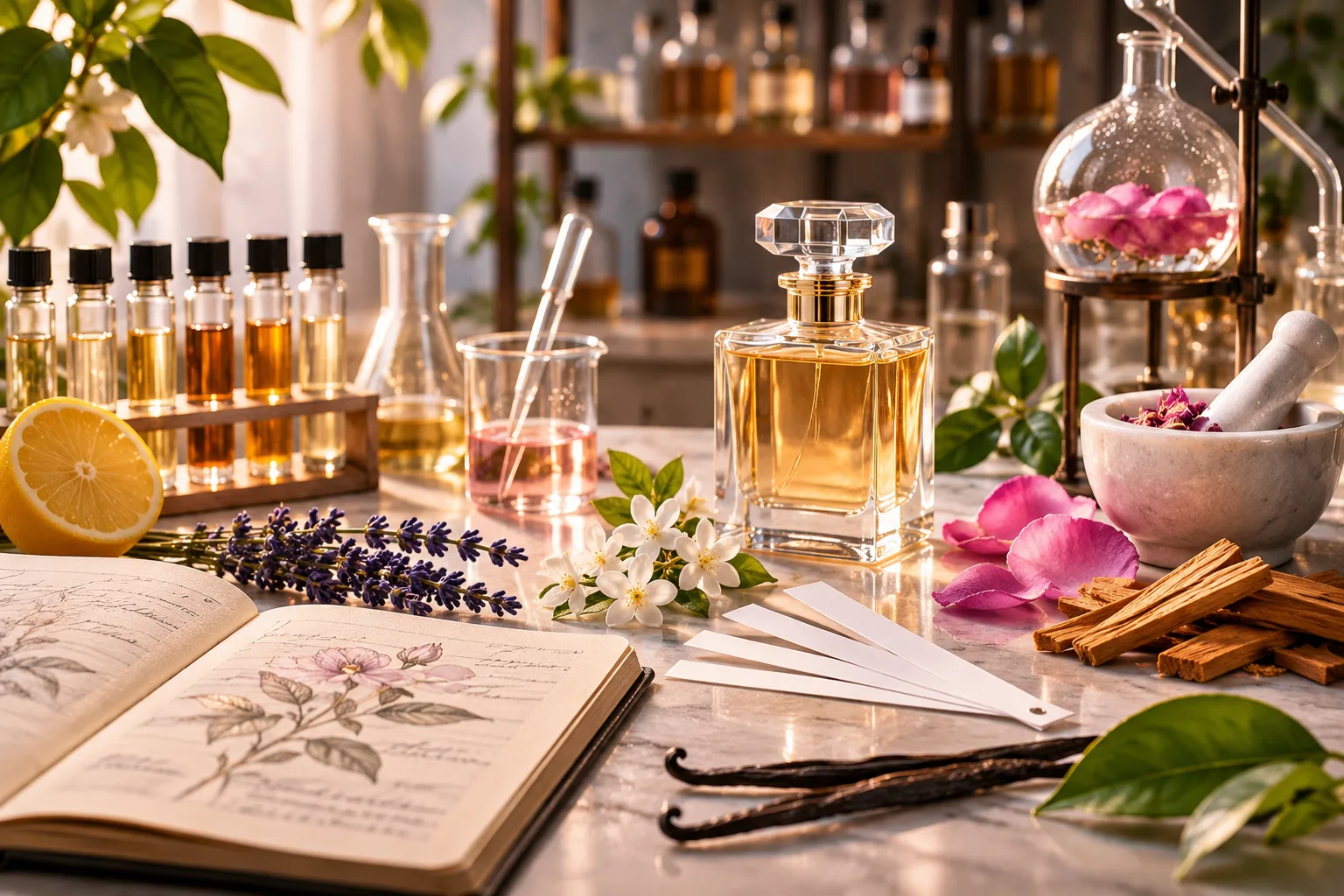
The History of Perfume: From Ancient Egypt to Modern Fragrance
The history of perfume is not the story of a single invention. People in many regions have used aromatic materials for religious ceremonies, hospitality, personal adornment and trade. The modern spray bottle is one result of centuries of experimentation with plants, resins, oils, alcohol and methods of extraction. Understanding this history makes it easier to appreciate the different styles found in a fragrance collection today.
Ancient aromatic traditions
In ancient Egypt, fragrant resins, oils and ointments had important ceremonial and personal uses. Incense could be burned in religious settings, while scented preparations were applied to the body. Aromatic materials were valuable commodities, and their availability depended on agriculture, trade and access to imported ingredients. Ancient preparations were not identical to the alcohol-based perfumes sold today; many were oils, balms or materials intended to be burned.
Mesopotamian records also document the preparation and use of aromatic substances. The name Tapputi appears in a surviving cuneiform record associated with perfume making. Such evidence offers a glimpse of skilled preparation in the ancient world, although it does not establish a single inventor of perfume. Much knowledge was transmitted through practice, and surviving records represent only a fraction of what people once knew.
Greece, Rome and the wider trade in aromatics
Greek and Roman societies used scented oils, incense and other aromatic preparations in a variety of settings. Containers made from glass, ceramic and stone helped preserve and transport valuable preparations. Perfumed oils could be associated with bathing, grooming, hospitality and status. The forms of fragrance people encountered depended on their resources and local customs.
Trade connected Mediterranean communities with regions producing resins, spices and other aromatic materials. Frankincense and myrrh are examples of substances whose historical importance extended beyond personal scent. They could be used in ritual, commerce and medicine as understood at the time. Their movement across regions reminds us that perfume history cannot be reduced to the history of European fashion houses.
Distillation and the Islamic world
Scholars and craftspeople working in the medieval Islamic world developed and documented techniques for preparing aromatic substances. Distillation, already known in earlier forms, became an important part of a broader tradition of experimentation with liquids, plants and apparatus. Rose water and other aromatic preparations illustrate the practical importance of these methods.
The transmission of technical knowledge across languages and regions contributed to later developments in Europe. It would be misleading to attribute all distillation or modern perfume to one individual. Improvements in equipment, written recipes and the availability of materials accumulated over long periods. Different communities adapted techniques to their own purposes, from household preparations to commercial production.
European perfumery and the rise of alcohol-based scents
During the early modern period, European perfumery developed alongside expanding trade, changing fashions and the growth of specialized crafts. Alcohol-based preparations offered a different way to carry and disperse aromatic materials than traditional scented oils. Perfumed gloves, waters and other luxury goods became part of the market for personal fragrance.
Grasse in southern France developed into a significant center of perfumery, associated with aromatic crops and specialized production. Cologne also became associated with a recognizable style of fresh scented water. These regional traditions did not replace the many forms of perfumery practiced elsewhere; they became influential parts of an increasingly connected commercial industry.
Chemistry transforms the perfume palette
In the nineteenth and twentieth centuries, advances in organic chemistry expanded the materials available to perfumers. Compounds such as coumarin and vanillin could be produced and incorporated into compositions. Synthetic aroma materials allowed perfumers to create effects that were difficult to obtain consistently from natural extracts alone.
The distinction between natural and synthetic does not determine whether a fragrance is beautiful, safe or expensive. Modern perfumers often combine materials from different sources to achieve a particular effect. Natural materials can vary with harvest and processing, while manufactured materials can offer consistency or new olfactory possibilities. The creative task is to build a balanced composition rather than to maximize one category of ingredient.
The twentieth century and recognizable fragrance styles
The twentieth century brought a growing market for branded perfumes, distinctive bottles and advertising. Fashion houses and specialist fragrance companies introduced compositions that became reference points for different styles. Shalimar, introduced in the 1920s, is an example of the enduring influence of warm amber perfumery. Explore Shalimar by Guerlain Eau Sauvage, launched in the 1960s, illustrates another direction through elegant citrus and aromatic character. Explore Eau Sauvage by Christian Dior 3.4 oz EDT for men
Later releases expanded the vocabulary of commercial fragrance. Angel, introduced in the early 1990s, became associated with the rise of gourmand perfumery. Explore Angel by Thierry Mugler for Women 3.4 oz CK One, launched in the 1990s, helped make explicitly shared fragrance familiar to a broad designer audience. Explore CK One by Calvin Klein for Unisex 3.4 oz These examples are illustrative rather than a definitive list of the most important perfumes ever created.
Modern fragrance production and shopping
Contemporary perfumery includes large designer houses, independent creators and niche brands. Modern extraction and manufacturing methods allow a broad range of materials and styles. Regulations, ingredient standards and reformulation can also influence the composition of a fragrance over time. A bottle sold today should not automatically be assumed to smell identical to a historical version with the same name.
When exploring historical styles, start with the scent family rather than trying to recreate an entire era. Compare a classic amber with a citrus aromatic or a modern gourmand. Our fragrance families guide explains the vocabulary that helps connect these styles. The women's perfume guide and men's cologne guide provide additional examples from the catalog.
Why the history matters
Perfume connects craft, agriculture, commerce, chemistry and personal expression. Ancient incense and modern spray fragrances serve different purposes, yet both demonstrate the importance people attach to scent. The history is global and continues to develop as new materials and cultural preferences emerge. Understanding that variety encourages a more open approach to fragrance: explore the compositions that interest you, regardless of their age, price or marketing category. Browse perfumes and colognes to discover your own references for the styles discussed here.